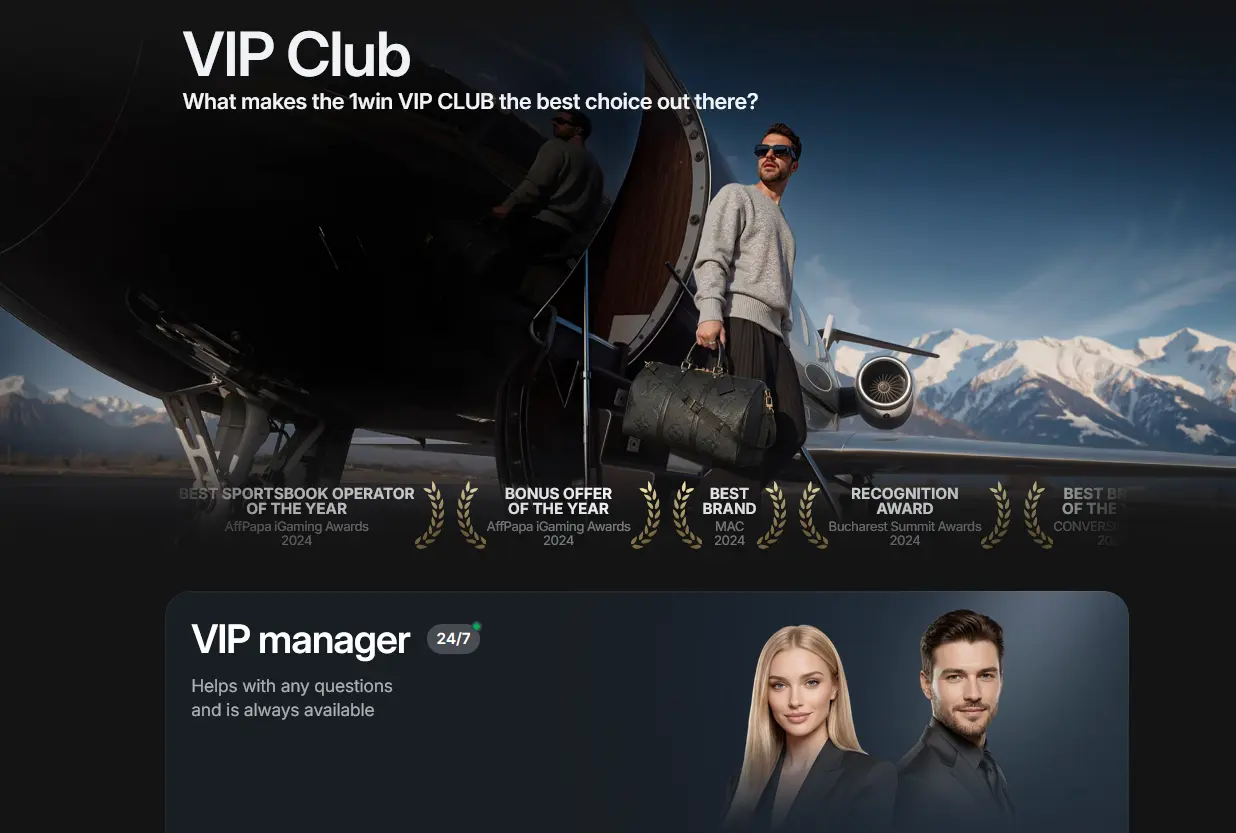
1Win’s VIP Club is described as an invitation-based service rather than a public points ladder. That distinction limits what can responsibly be stated about qualification. There is no disclosed deposit or wagering threshold that guarantees entry.
Personalisation leaves important terms unspecified
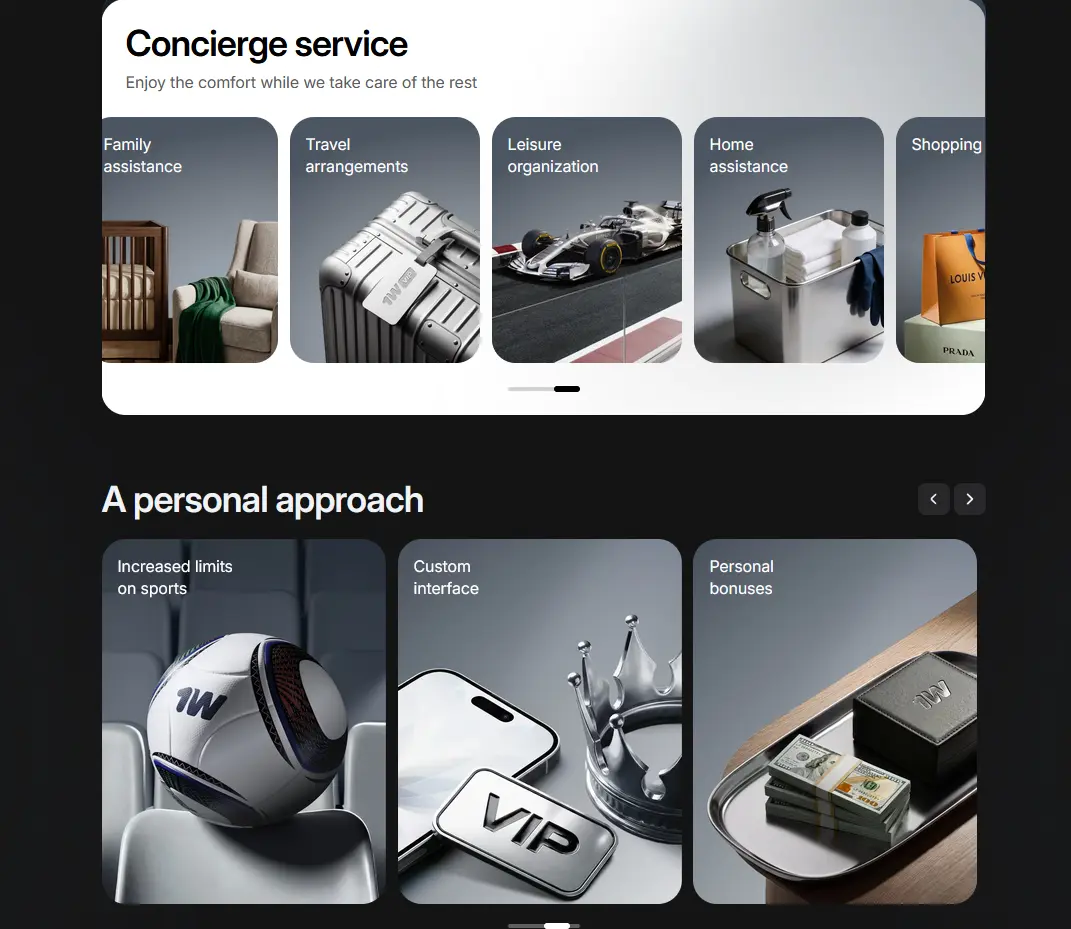
The source lists personal bonuses, private tournaments, account-interface changes and increased sports limits. It does not give a uniform benefit table. These descriptions identify possible service categories rather than contractual amounts owed to every member.
Third-party qualification estimates differ. Repeating one as a confirmed entry price would turn uncertainty into an invented promise. Additional spending should not be treated as a reliable way to obtain an invitation.
Aggregate statistics are not individual entitlements
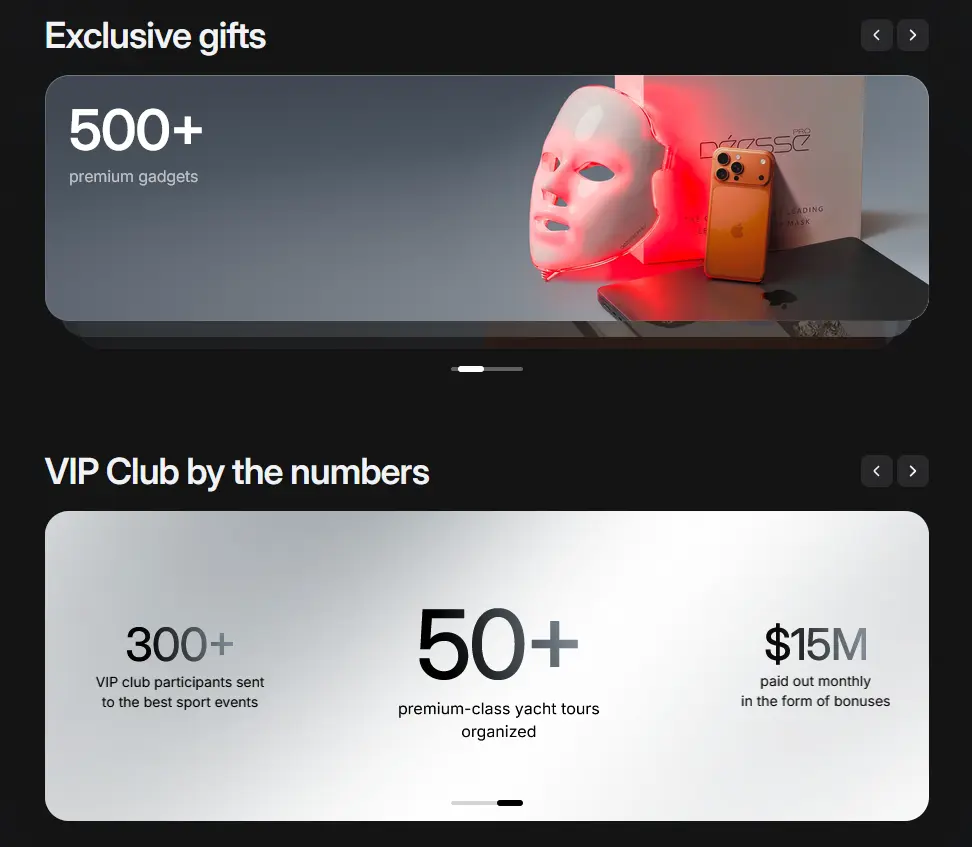
The club’s published activity figures include a $2.5 million service-and-gift allocation and 10,000 completed requests, alongside travel, vehicles and devices. Those are reported aggregate statistics. Dividing them does not reveal a member budget, the price of a particular request or the amount any applicant will receive.
Concierge categories include travel, home, shopping, health and family assistance. Their scope, availability and personal-data requirements need to be established for the particular request. A broad category label does not disclose its financial or privacy conditions.
A manager and a status review are separate services
The source describes a personal manager available around the clock. That is a contact arrangement, not a guaranteed resolution time for every case.
VIP status from another operator can be submitted for review. Review is not automatic equivalence or acceptance, and the main club page does not disclose a binding response deadline. Any individual conditions should be recorded in writing rather than inferred from the programme’s lifestyle imagery.